Not every house needs its air ducts cleaned. That might be an odd thing to read on a cleaning company's blog, but it's true, and knowing the difference will save you money and help you trust the advice you get.
The U.S. Environmental Protection Agency takes a measured view here. Its guidance says duct cleaning hasn't been proven to prevent health problems in every home, but it does recommend cleaning when there's a specific reason: visible mold growth, an infestation of insects or rodents, or ducts clogged with enough dust and debris that particles are blowing out of the supply registers.
So the useful question isn't "Should I clean my ducts?" It's "Do my ducts have one of those problems?" Here's how to find out.
Step 1: Pull a Register Cover and Look
This takes five minutes and a screwdriver. Pick a supply register (one that blows air) in a room you use often. Remove the cover and shine a flashlight into the duct.
A thin film of dust is normal. Every duct system collects some. What you're looking for is different:
- Thick, matted layers of dust or pet hair you could scrape off with a finger
- Construction debris such as drywall dust, wood shavings or insulation
- Dark, fuzzy or spotted growth that might be mold
- Droppings, nesting material or dead insects
Check the return vent as well, which is the larger grille that pulls air back toward the system. Returns tend to collect the most debris because they're the intake for the entire house.
Step 2: Think About Your Home's Recent History
Some events almost guarantee a dirty duct system, whether or not you can see it from a register.
Renovation. Sanding drywall, cutting tile, or tearing out old flooring sends fine dust everywhere. If the HVAC system ran during the work, a good portion of that dust ended up in the ductwork. This is one of the most common reasons we get called after a remodel.
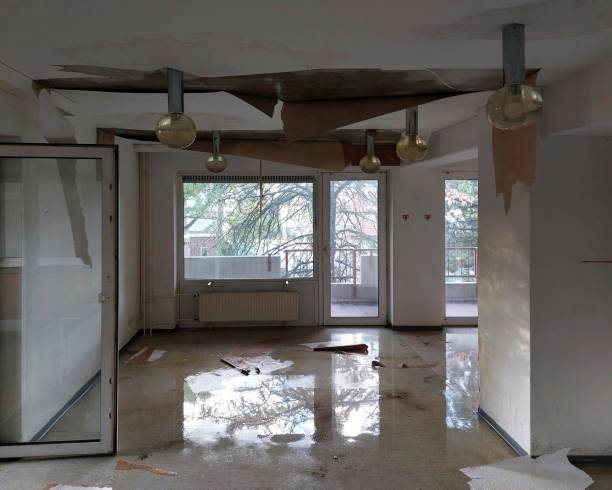
Water damage. If a basement flooded or a pipe burst near ductwork, moisture may have reached the inside of the ducts. Damp dust is food for mold.
Moving into an older home. You have no idea how the previous owners lived. Smokers, multiple pets, or years of skipped filter changes all leave their mark inside the system.
Pests. Mice in particular like the warmth of ductwork in crawl spaces and basements. If you've dealt with rodents, the ducts deserve a look.
Step 3: Pay Attention to the Air Itself
Your senses can tell you a lot. A musty smell that gets stronger when the heat or air conditioning kicks on often points to moisture or growth somewhere in the system. Dust that settles on furniture within a day or two of cleaning can mean the ducts are recirculating debris. Puffs of visible dust when the blower starts are a clear sign.
None of these prove the ducts are the problem. A dirty filter, a leaky return or a humidity issue can cause similar symptoms. But they're good reasons to dig deeper.
Step 4: Rule Out the Cheap Fixes First
Before you schedule a full cleaning, try the basics:
- Replace the furnace filter. If it's been more than three months, start here.
- Vacuum the register covers and return grilles.
- Check that the filter fits snugly with no gaps around the edges where air can sneak past.
If the dust and odor problems continue after a fresh filter and a couple of weeks, the ducts themselves become the more likely source.
Step 5: Consider Who Lives in the House
The same amount of dust affects different households in different ways. If someone in your home has asthma or allergies, or you're caring for a newborn or an older relative, you may decide air duct cleaning is worth doing on a lower threshold. That's a reasonable call. Clean ducts won't cure allergies, but removing a heavy load of dust, dander and pollen from the system means less of it gets pushed back into the rooms you live in.
Pets matter too. A house with two shedding dogs builds up hair and dander in the return ducts far faster than a house with none. Many pet owners find that every three to five years is a good rhythm for duct work cleaning, while homes without pets can often go longer.
Smoking indoors, a wood stove, or a lot of indoor candle use all add fine particles and residue to the system as well. If any of these describe your home, factor that in.
Step 6: Know What a Proper Cleaning Includes
If you've decided air duct cleaning makes sense, it helps to know what a thorough job looks like. A real cleaning covers more than the ducts:
- Supply and return ducts throughout the house
- Registers, grilles and diffusers
- The blower compartment and, where accessible, the coils and drain pan
- The main trunk lines, not just the short runs nearest each room
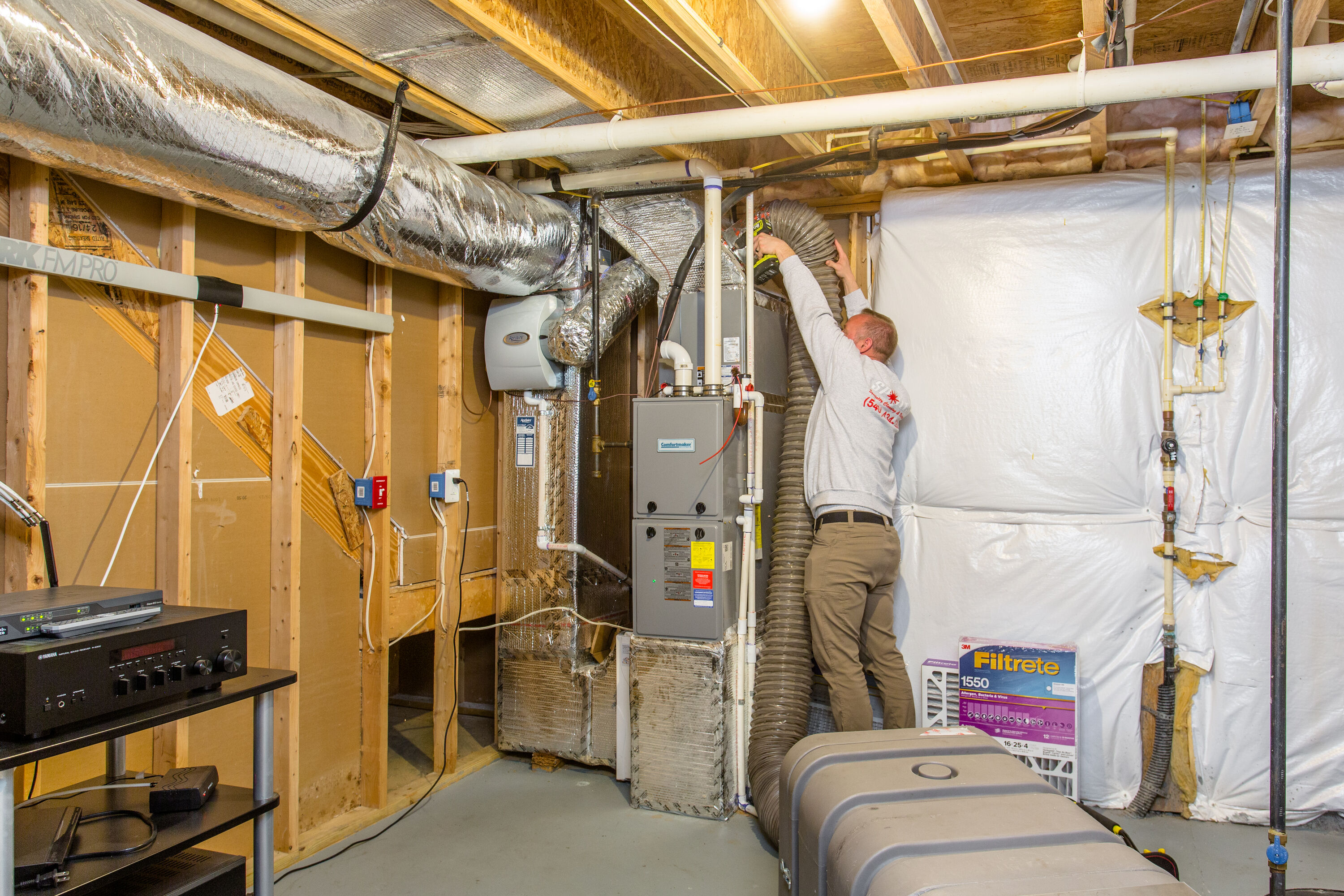
The system should be placed under negative pressure during cleaning so loosened debris is pulled out rather than blown into your living space. Be wary of very low-priced offers that promise a whole-house cleaning in under an hour. That price usually covers a quick vacuum at each register and nothing more.
If mold is found, cleaning alone isn't enough. The moisture source needs to be fixed first or the growth will come back.
It's also fair to ask a company how they'll protect your home during the job. Floors should be covered at each work area, and registers should be put back exactly as they were. A good crew leaves the house cleaner than they found it, not dustier.
A Note on Timing in the Valley
Harrisonburg homes run the heat hard from November through March and the air conditioning through the humid summer months. The shoulder seasons, roughly April to May and September to October, are the easiest times to schedule air duct cleaning. The system is running less, the house can be opened up if needed, and you start the next heavy-use season with a clean slate.
If you want a closer look at the process itself, read Duct Work Cleaning 101. If you're also planning dryer vent cleaning, it's worth doing both on the same visit. The equipment is similar, and it saves you scheduling twice.
Quick Answers to Common Questions
How long does air duct cleaning take? For a typical single-family home, plan on several hours. Larger homes, multiple HVAC systems, or heavily soiled ducts take longer.
Will the house smell afterward? A properly cleaned system usually smells like nothing, which is the point. Some people notice the air seems fresher for the first few days because old dust and odors are gone.
Do I need to leave the house? Usually not. You'll want to keep pets and small children away from the work areas, and there will be some equipment noise, but most homeowners go about their day.
How often should ducts be cleaned? There's no fixed schedule that fits every home. Many households land somewhere between every three and seven years, with shorter intervals for homes with pets, allergies, smokers or recent renovations. Checking a register once a year is the easiest way to know.
Does duct cleaning lower energy bills? It can help in some cases, particularly if debris has built up on the blower or coil, but it isn't a guaranteed savings. Sealing leaky ducts and keeping filters fresh usually has a bigger effect on efficiency.
When We'd Tell You to Wait
If you've had your ducts cleaned in the last few years, haven't renovated, have no pets or allergies, and don't see buildup when you pull a register, you probably don't need us yet. Keep changing filters and check again next year.
That's the honest answer, and it's the one Doug Detrick, who founded Spotless in 2011, built the company around. Before starting Spotless, he spent years overseeing building maintenance and cleaning crews, and he learned that recommending the right job matters more than selling the biggest one.
Get a Straight Answer
If you've checked your registers and you're still not sure, call Spotless Specialty Cleaning & Restoration at 540-434-1292. We serve Harrisonburg and Rockingham County, and we're happy to tell you whether your system needs duct work cleaning or just a fresh filter.