Flip over the corner of your favorite area rug and look at the back. If you can see the pattern clearly from underneath, and the knots are tight and even, you may be looking at a hand-knotted rug, possibly one that's older than you are. Now look at the front. Is the color a little flatter than you remember? Are the traffic lanes in front of the couch a shade darker than the edges?
That gap between what a rug looked like on day one and what it looks like now is mostly dirt. And dirt, more than wear, is what shortens a rug's life.
Why Rugs Get Dirtier Than Wall-to-Wall Carpet
Area rugs sit in the busiest spots in the house: entryways, under dining tables, in front of the sofa, beside the bed. They catch what shoes track in before it reaches the rest of the floor.
Fine grit is the real problem. Sand and soil work their way down to the base of the fibers, where your vacuum has a hard time reaching. Each time someone walks across the rug, those sharp particles grind against the fibers like sandpaper. Over months and years, that abrasion dulls the color, frays the pile, and wears paths through the rug.
Wool rugs, including most oriental and Persian styles, are especially good at hiding dirt. Wool fibers have a natural scaly surface that traps soil deep down while the top still looks presentable. By the time a wool rug looks dirty, it's usually carrying a lot.
What You Can Do Between Cleanings
Good habits at home make a big difference:
- Vacuum both sides. Once a month or so, flip the rug and vacuum the back. The vibration shakes grit loose from the base of the pile. You'll be amazed at what lands on the floor underneath.
- Rotate the rug every six months so wear and sun exposure even out.
- Skip the beater bar on delicate rugs. Use suction only, especially on fringe, which tangles easily.
- Use a quality rug pad. It reduces friction against the floor and helps the rug last longer.
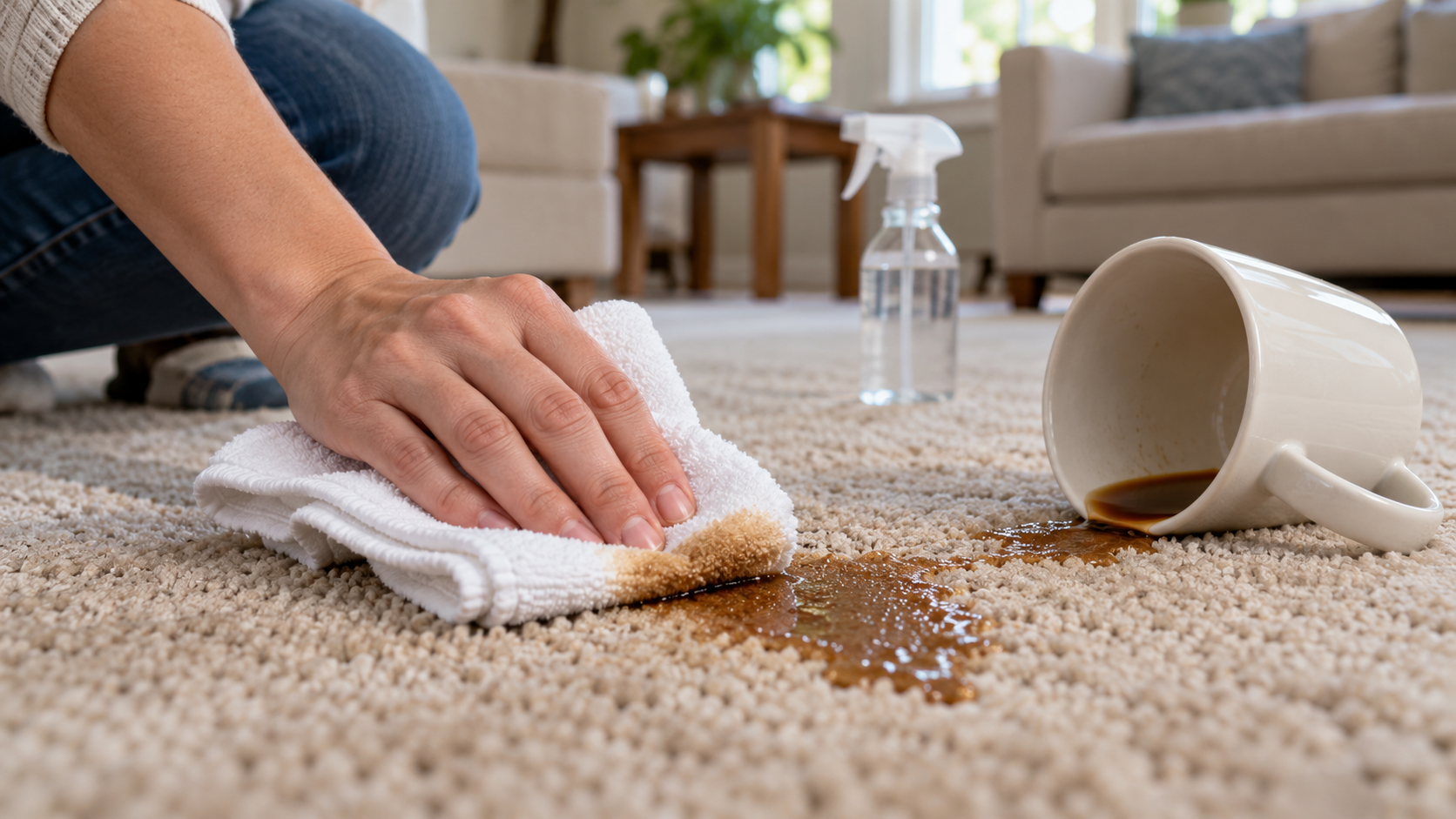
- Blot spills right away with a clean white cloth. Don't scrub.
These steps slow down the damage. They don't remove the deep soil that's already there.
Why Area Rug Cleaning Is Different From Carpet Cleaning
It's tempting to treat a rug like a small piece of carpet. That can go badly.
Many area rugs, especially handmade ones, use natural dyes that can bleed when they get wet or meet the wrong cleaning solution. A red border can run into a cream field in a matter of minutes. Rugs made from wool, silk, cotton, jute or viscose each react differently to water, heat and pH. Viscose, sometimes sold as "art silk," is notorious for yellowing and losing its texture when it gets wet.
Professional rug cleaning starts by figuring out what the rug is made of and testing the dyes before anything else happens. The cleaning method, the solution, and the drying process all depend on those answers.
Fringe gets special attention too. On many rugs, the fringe is the end of the foundation threads that run the whole length of the rug. It's usually cotton, which browns easily, and it needs gentle handling.
That's why it pays to ask any rug cleaner a few questions up front: How will you identify the fiber? Do you test the dyes? How will the rug be dried, and how long will it take? A confident, specific answer is a good sign.
What Happens During Area Rug Cleaning
A thorough area rug cleaning usually follows a few stages. First comes inspection: checking fiber type, construction, dye stability, and any existing damage like moth activity, loose fringe or worn spots. Before anything wet happens, the rug needs to be de-dusted. Removing dry soil first is important, because adding water to a gritty rug turns that grit into mud.
Next is the wash itself, using a method and solution chosen for that specific rug. Spots and pet areas get targeted treatment. Then the rug is rinsed thoroughly so no residue is left behind to attract dirt, and finally it's dried carefully. Drying is where many home attempts go wrong. A wool rug that stays damp too long can develop odor, browning, or even mildew in the foundation.
The fringe is cleaned and groomed, and the pile is brushed so it lies in the right direction. A freshly cleaned rug should look brighter, feel softer, and smell like nothing at all.
Don't Forget What's Under the Rug
When you pull up a rug for cleaning, take a look at the floor underneath. Hardwood under a rug can fade differently from the exposed floor around it, and a damp rug pad can trap moisture against the wood. If the pad is crumbling or sticky, replace it. Wondering how often wall-to-wall carpet needs attention? See how often to schedule carpet cleaning in Harrisonburg. If you're cleaning carpets elsewhere in the house, it's a good time to have the rug done as well, so everything gets refreshed at once.
Handling the Most Common Rug Accidents
Rugs live in the rooms where life happens, so spills are part of the deal. Here's how to handle the usual suspects until a professional can take a look:
Coffee and tea. Blot immediately with a white cloth and cool water. Avoid colored towels, which can transfer dye. Don't use hot water, and don't rub.
Red wine and fruit juice. Blot up as much liquid as you can, then dab with cool water. Resist the urge to pour salt, club soda, or a store-bought product on a handmade wool rug. Some of these can set the stain or react with natural dyes.
Pet accidents. Blot thoroughly, then stack dry towels on the spot and press with something heavy. Urine moves down and outward quickly, so the area that needs treatment is usually larger than the spot you can see.
Mud. Let it dry completely, then break it up gently and vacuum. Wet mud smears deeper into the fibers.
Candle wax. Let it harden, then lift off what you can with a dull edge. The leftover residue and any dye from colored wax are best left to a professional.
When in doubt, do less. A rug that's been blotted and left alone is much easier to fix than one that's been scrubbed with three different cleaners.
Signs Your Rug Is Ready for a Professional Clean
- It's been more than a year or two since the last cleaning
- Colors look dull or the rug feels gritty when you run your hand across it
- There's a lingering odor, especially from pets
- Traffic paths are visibly darker than the rest of the rug
- You're about to store it, move it, or put it back down after a renovation
Pet accidents deserve a special note. Urine that soaks through to the backing can leave odor and discoloration long after the surface is cleaned. The sooner a pet stain is treated properly, the better the odds of getting it all out.
A Small Investment That Protects a Bigger One
A good area rug can cost as much as a piece of furniture, and a handmade one can last for generations when it's cared for. Regular professional area rug cleaning, every 12 to 24 months for most homes, keeps the grit from doing its slow damage and keeps the colors looking the way they should.
Spotless Specialty Cleaning & Restoration has been cleaning carpets and upholstery in Harrisonburg since 2011. If your rug has lost its glow, call us at 540-434-1292 and let's talk about what it's made of and how to bring it back.